






End-of-Spring Reset: What Your Hair Actually Needs Before Summer Hits
There's a transition that happens every spring that most people don't plan for. Winter hair care tends to lean heavy: richer creams, more layering, routines built around sealing moisture in against cold, dry air. Then May arrives, humidity starts creeping up, and the same routine that kept your hair soft in February is now leaving it weighed down, frizzy, or harder to manage than it should be.
A spring reset isn't a dramatic overhaul. It's a calibration. You're assessing where your hair is after months of cold weather and indoor heat, then making deliberate adjustments before summer conditions arrive rather than reacting to them once they already have. Here's how to approach it.
Explore RevAir

Start With an Honest Assessment of Your Hair's Current State
Before you change anything, you need to know what you're actually working with. Winter takes a real toll on hair, and the signs aren't always obvious until you're looking for them.
Run your fingers through your hair when it's dry and product-free. Does it feel rough and coarse, or does it feel soft and have some elasticity? Do your ends look clean and defined, or are they thin, split, and dull? When you wet your hair, does it absorb moisture quickly or does water bead on the surface? Does your scalp feel clean and comfortable, or is there buildup, flaking, or tightness?
These observations tell you which direction to adjust. Hair that's lost elasticity and feels brittle needs protein attention before moisture work. Hair that's dull and struggles to absorb product may need a clarifying wash to remove buildup before it can absorb anything new. Hair that's dry at the ends but oily at the scalp may need a targeted approach rather than a blanket product change.
Skipping this step and going straight to buying new products is one of the most common ways a reset fails. You end up layering new things on top of an undiagnosed problem.
Clarify Before You Do Anything Else
If you've been using heavier products all winter, including thick butters, rich creams, or layered sealants, there's almost certainly some level of buildup on your hair shaft. That buildup blocks moisture absorption and makes everything else you apply less effective.
A clarifying shampoo or a scalp-focused wash is the right starting point for most people entering summer. It removes the residue that regular shampoo leaves behind and gives you a clean foundation to work from. You don't need to do this every week, but doing it once at the start of the season resets your hair's ability to actually respond to what you put on it.
After clarifying, follow with a deep conditioning treatment to restore moisture before you start building your summer routine on top. This sequence matters: clarify first, condition second. Reversing the order puts conditioner on top of buildup, which limits how much of it your hair can actually use.
Reassess Your Moisture-to-Protein Balance
Spring is one of the best times to check whether your routine has drifted too far in one direction. Both moisture and protein are essential for healthy hair, but too much of either creates problems.
Hair that's over-moisturized tends to feel mushy, loses its definition, and stretches without bouncing back. Hair that's protein-overloaded feels brittle and stiff, breaks more easily, and can feel rough even when it's freshly washed. Most people can identify where they've landed after a few months of winter products.
If your hair feels weak or overly soft, a light protein treatment before summer adds some structure back before humidity increases the challenge. If your hair already feels dry and brittle, skip the protein work for now and focus on moisture restoration first. You don't need to do both at the same time, and trying to can pull hair in opposite directions.
Understanding the difference between hair density and hair thickness can also help you calibrate here. Density and thickness behave differently under summer conditions, and routines that serve one well don't always serve the other.
Lighten Up Your Product Routine
Heavy products that worked in winter become a liability once humidity arrives. Thick butters and dense creams seal moisture in under dry conditions, but in humid weather they can attract ambient moisture from the air and cause swelling at the hair cuticle, which shows up as frizz.
Swapping to lighter versions of your core products before summer does two things: it reduces the weight that can make textured hair look flat and limp in heat, and it gives humidity less to work with. A water-based leave-in, a lighter oil for sealing, and a gel or cream for definition covers most people's summer needs without the heaviness of a winter routine.
This doesn't mean you have to start over with products. In most cases it means assessing what you already have, identifying what's serving a winter purpose, and setting it aside until fall.
Check Your Heat and Tension Habits
Winter often brings more manipulation: more updos to stay warm, more hat-wearing that creates friction, more protective styling layered on top of one another without breaks. Before summer adds its own stressors like chlorine, saltwater, and UV exposure, it's worth checking whether your hair needs a break from manipulation before you add more to it.
Look at your edges and your ends specifically. These are the areas that accumulate damage first. If your edges feel thin or are slower to grow back than usual, your spring reset should include a lower-manipulation period before you move into summer styles. If your ends are splitting higher up the shaft than normal, a small trim before summer prevents the splits from traveling further once heat and dryness increase.
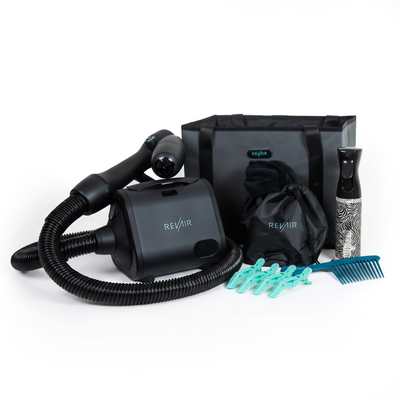
The RevAir Reverse-Air Dryer is designed to dry hair in one pass with low tension, which makes it a strong tool for this reset period. Less repeated heat exposure and less mechanical stress during drying gives hair the recovery window it needs before the season shifts.
Build Your Summer Routine Before You Need It
The best time to adjust your routine for summer is before summer conditions fully arrive. By the time you're reacting to frizz, dryness, or breakage in June, the damage is already happening. A reset done in May means you go into summer with a plan rather than a problem.
Your summer routine doesn't need to be complicated. It needs to be lighter than your winter routine, consistent, and built around protecting moisture and minimizing unnecessary manipulation. If you're planning any protective styling for the season, 6 Ways to Prep Your Hair for a Protective Style covers exactly what your hair needs in place before an install.
FAQ
What does a spring hair reset actually involve?
A spring reset is a seasonal check-in where you assess your hair's current condition, clarify any winter buildup, reassess your moisture and protein balance, and lighten up your product routine before summer conditions arrive. It's less about buying new products and more about adjusting what you're already doing.
How do I know if I need to clarify my hair?
If your hair feels dull, heavy, or is slow to absorb moisture after washing, buildup is likely the reason. A clarifying shampoo once at the start of the season is enough to reset your hair's ability to absorb products properly.
Should I use protein treatments in spring?
It depends on where your hair is. If your hair has lost elasticity and feels mushy after winter moisture-heavy products, a light protein treatment before summer can add structure back. If your hair already feels dry or brittle, focus on moisture restoration first.
When should I switch from winter to summer hair products?
Late April through May is the right window for most people. You want to make the transition before humidity increases rather than after, so your hair is already adapted to lighter products when conditions shift.
Is it okay to trim my hair before summer?
A small trim at the end of spring is a good habit, especially if your ends are splitting or feel thin. It prevents existing damage from traveling further up the shaft once summer heat and dryness add more stress.


